1/4
Promoted
Lagos, Orile, 20 hours ago
55 views
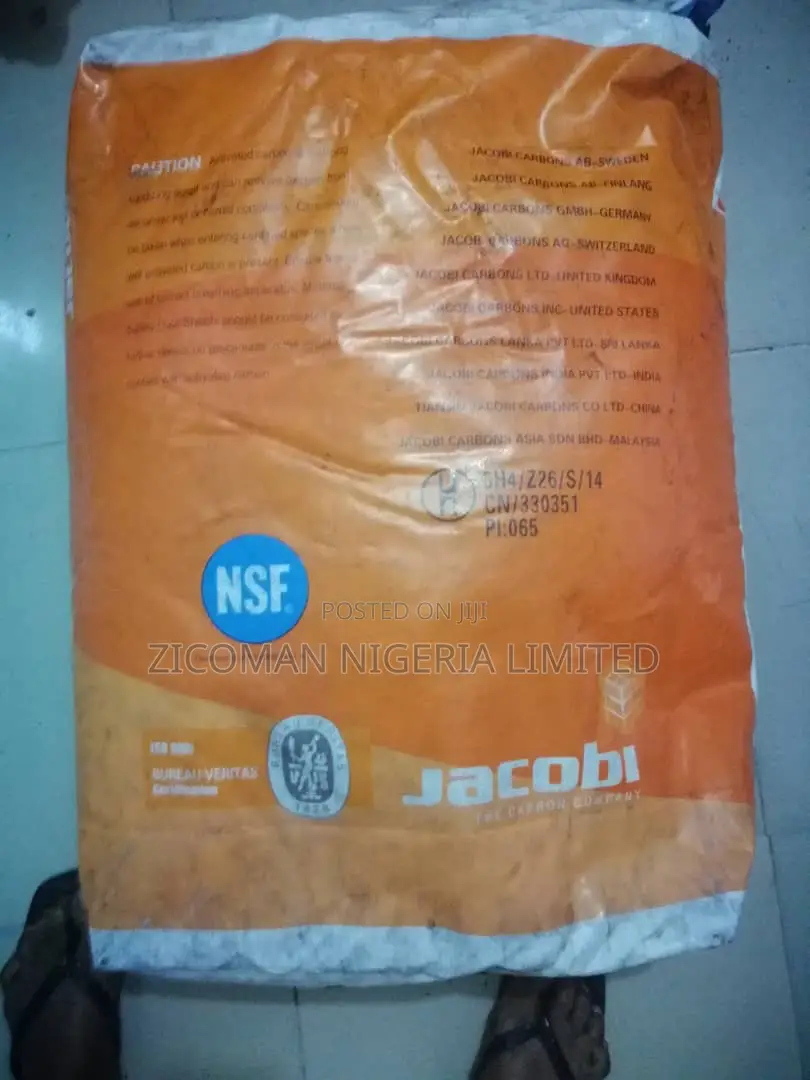
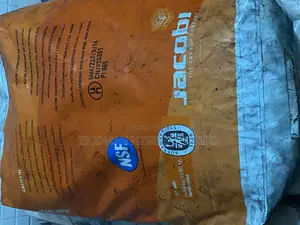
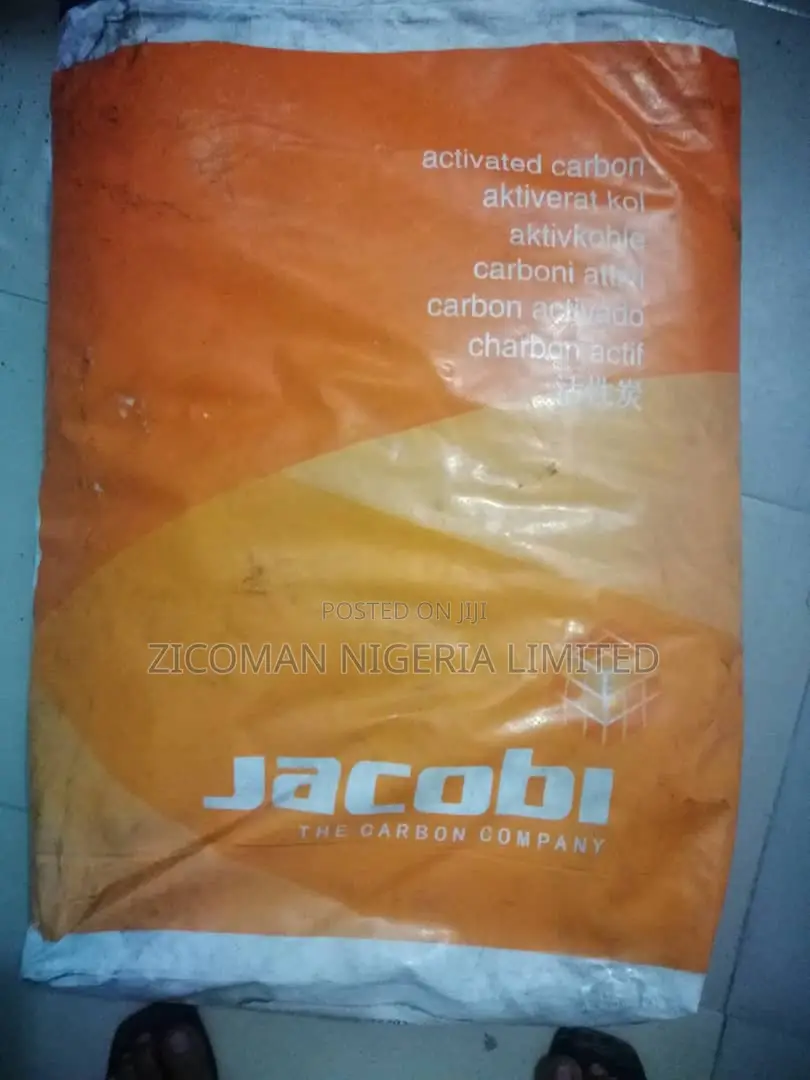
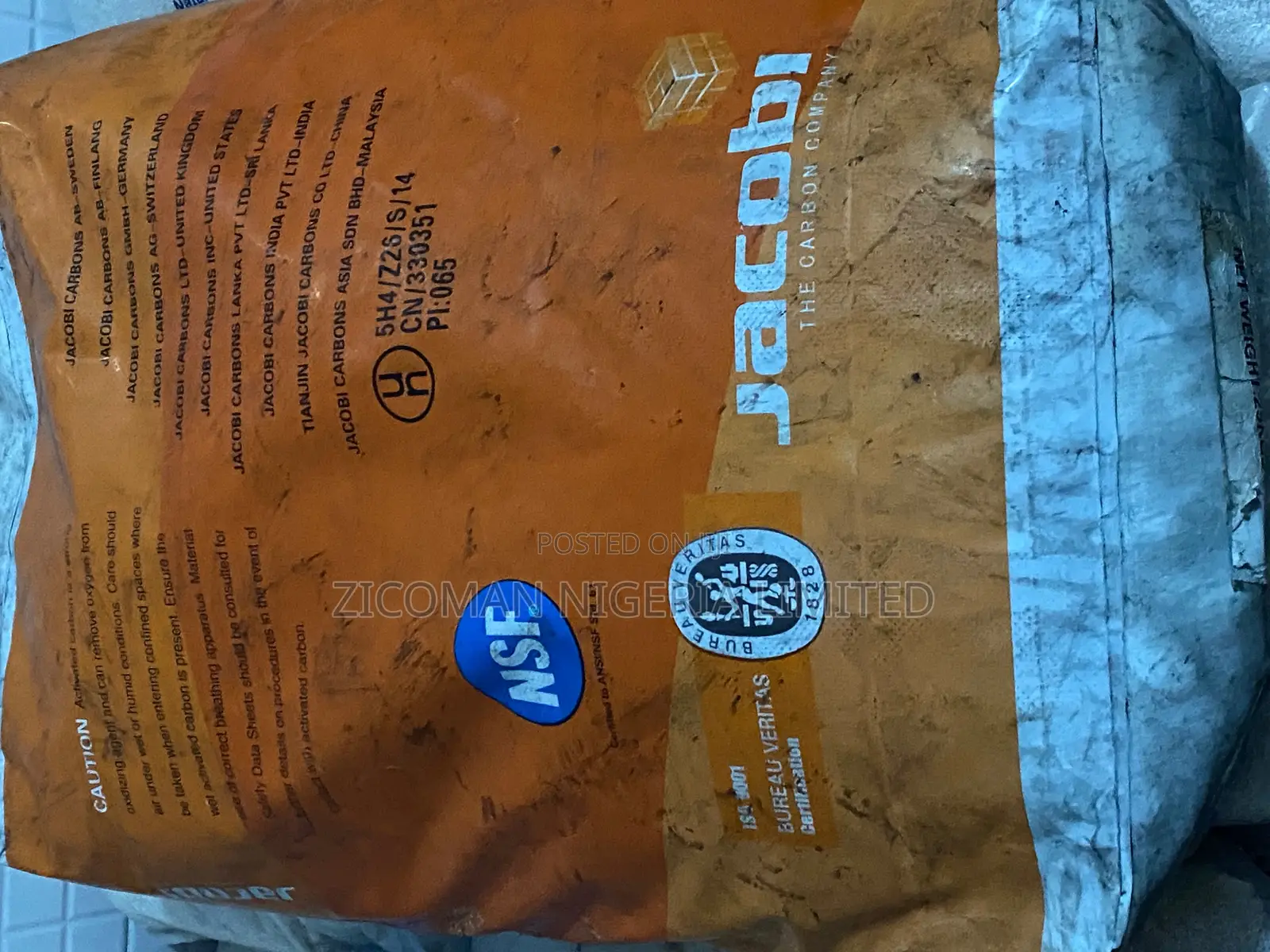
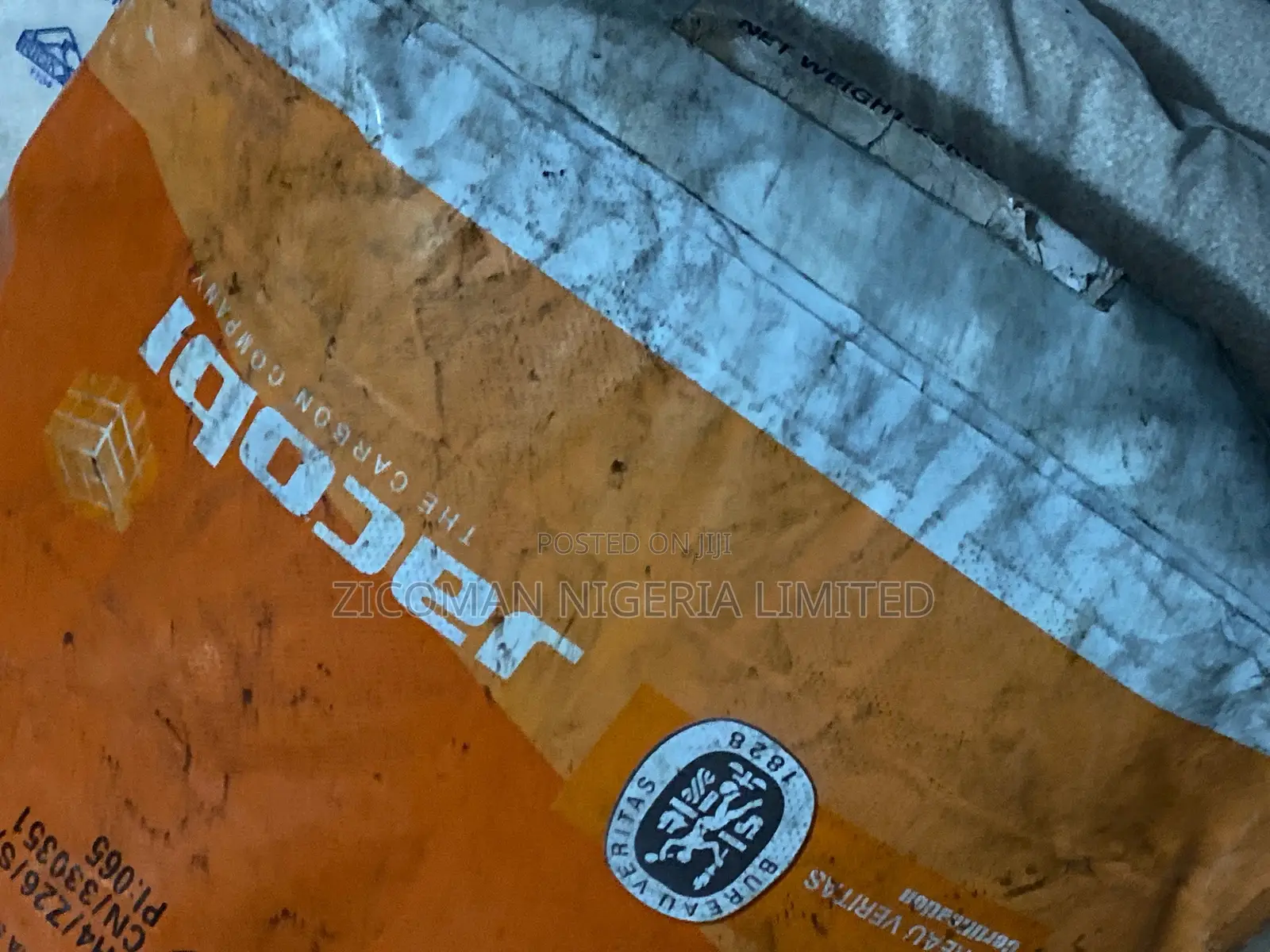
Jacobi Activated Carbon
Brand New
Condition
Other
Type
Store address
Lagos State • Surulere
Block 3, shop 17, ground floor, Coker market, (opp. Access bank) Odunade Orile, Lagos.
Open now
• Mon - Sat, 08:00-17:00
Activated carbon, also known as activated charcoal, is a highly porous carbonaceous material with a vast surface area used for adsorption of various substances. It's produced by heating carbon-rich materials like charcoal, coconut shells, or coal, and then "activating" it, typically with high temperatures and/or chemicals, to create a porous structure. This porous structure allows activated carbon to effectively trap impurities from liquids and gases, making it a widely used purification agent.
Raw materials like charcoal, coal, or coconut shells are heated in the absence of oxygen (pyrolysis) to remove volatile components and increase carbon content.
Activated carbon's primary function is adsorption, where molecules of a substance (adsorbate) adhere to the surface of the activated carbon (adsorbent).
₦ 129,750
Negotiable₦ 129,000
≥ 50 pieces
Safety tips
- Avoid paying in advance, even for delivery
- Meet with the seller at a safe public place
- Inspect the item and ensure it's exactly what you want
- Make sure that the packed item is the one you've inspected
- Only pay if you're satisfied