1/2
Promoted
Rivers, Port-Harcourt, 1 hour ago
26 views
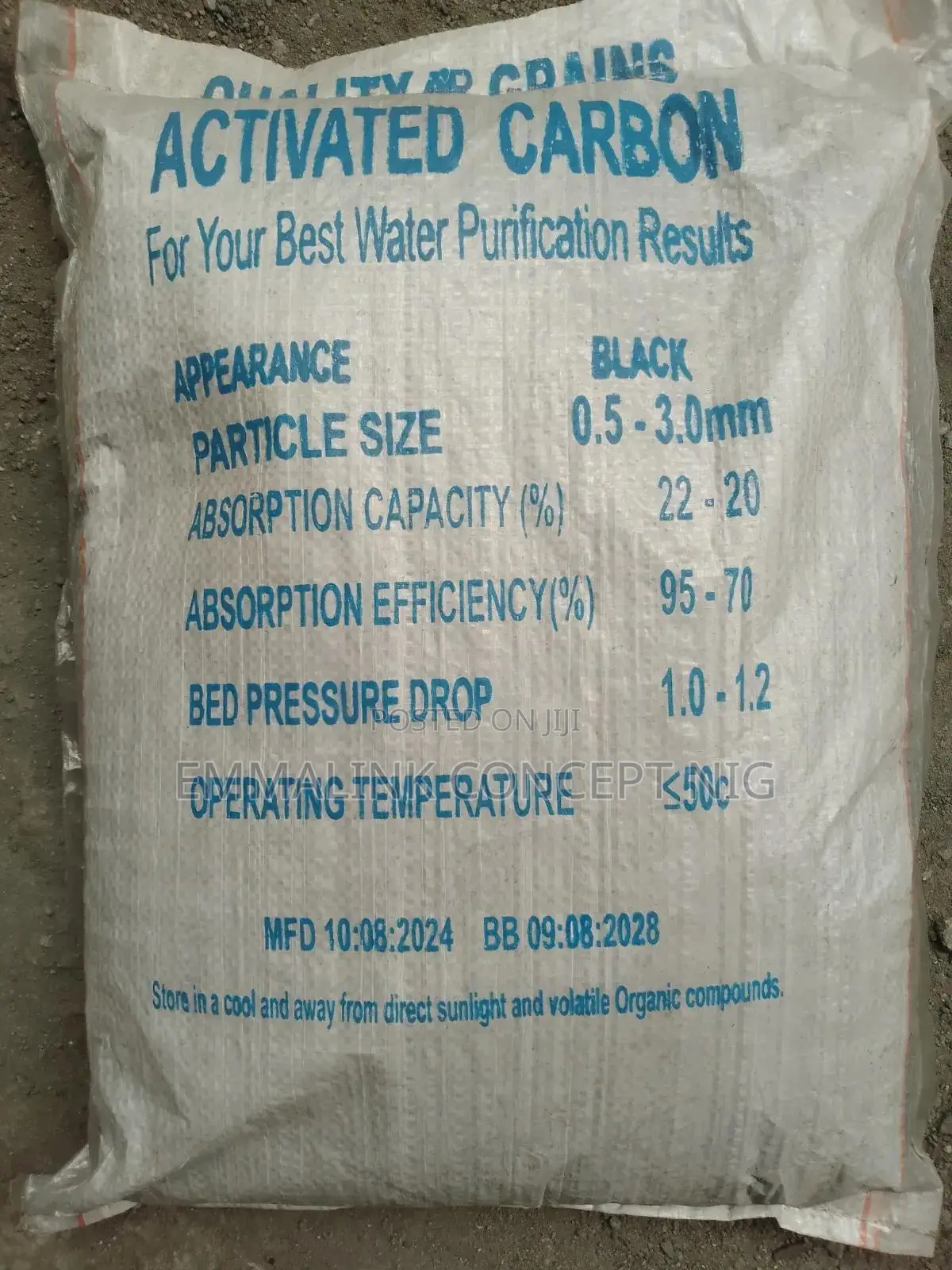
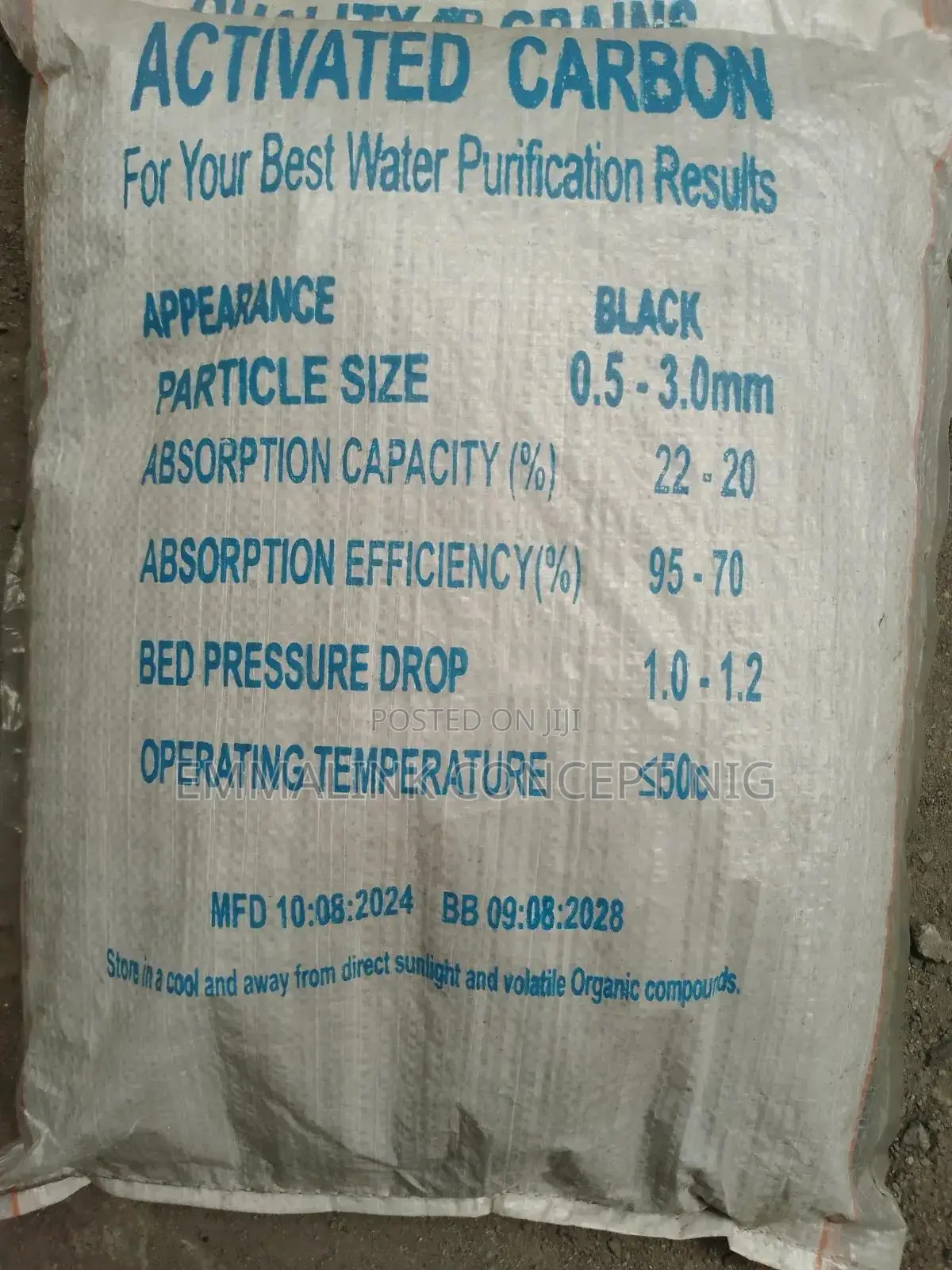
Activated Carbon
Activated carbon
Type
Activated carbon, also known as activated charcoal, is a highly porous form of carbon processed to have an extremely large surface area relative to its mass. This network of microscopic pores acts like a molecular sponge, allowing it to trap contaminants, toxins, and organic compounds through a surface-binding process called adsorption. It is widely used across industries to clean, deodorize, and purify liquids and gases.
Core Mechanism: Adsorption vs. Absorption
Adsorption: Molecules physically stick and bind only to the external and internal surface walls of the carbon pores via weak Van der Waals forces

Safety tips
- Avoid paying in advance, even for delivery
- Meet with the seller at a safe public place
- Inspect the item and ensure it's exactly what you want
- Make sure that the packed item is the one you've inspected
- Only pay if you're satisfied