Lu'u-lu'u
1/2
Wanda aka yada
Lagos, Ojo, 3 awanni da suka gabata
6 adadin kallo
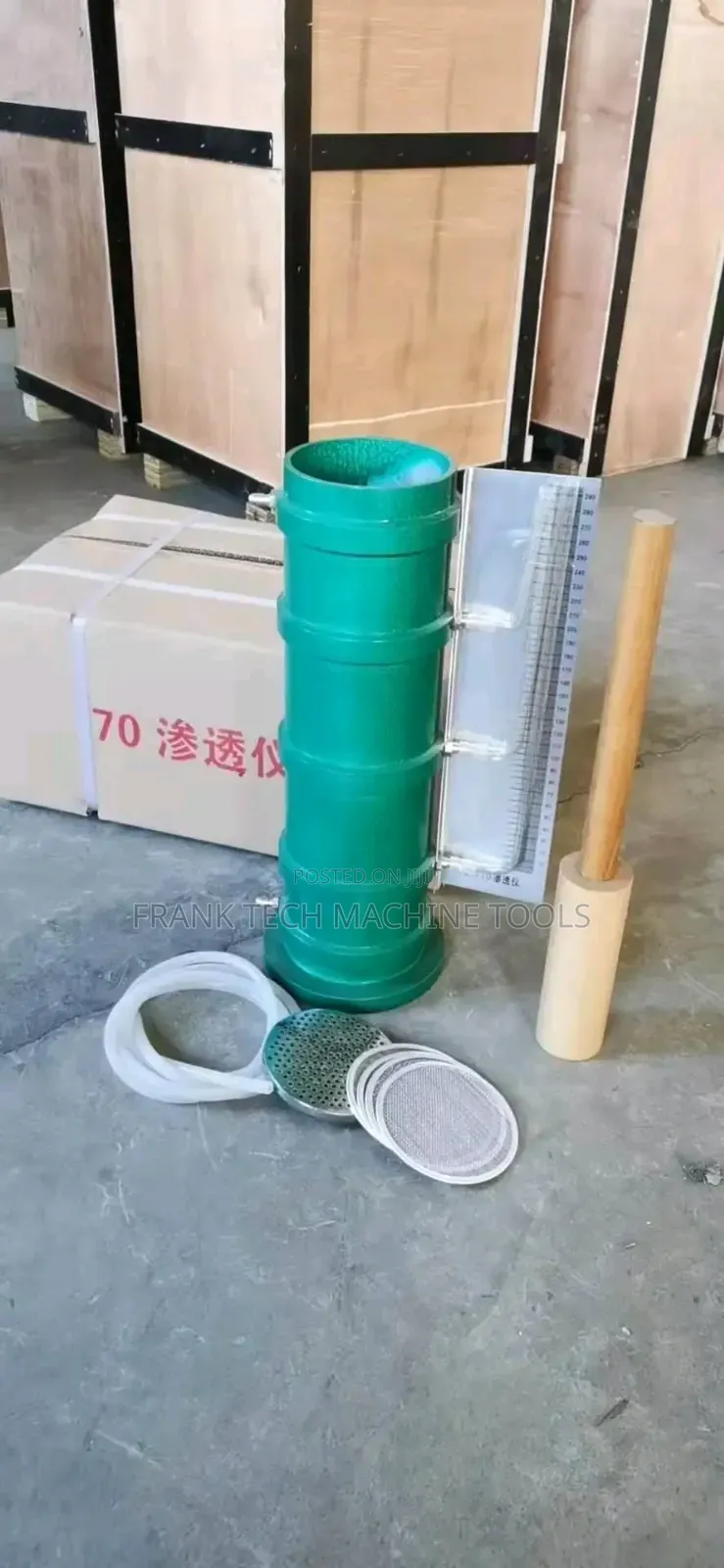
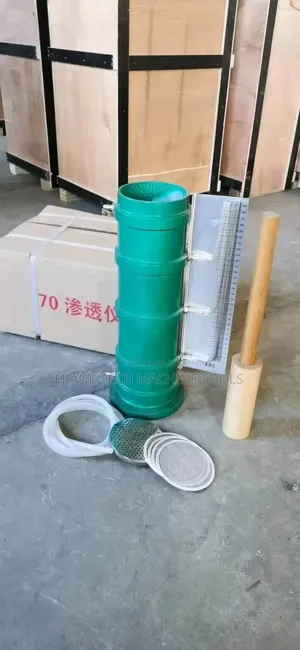
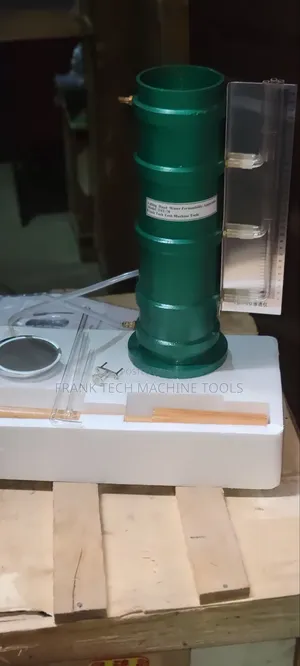
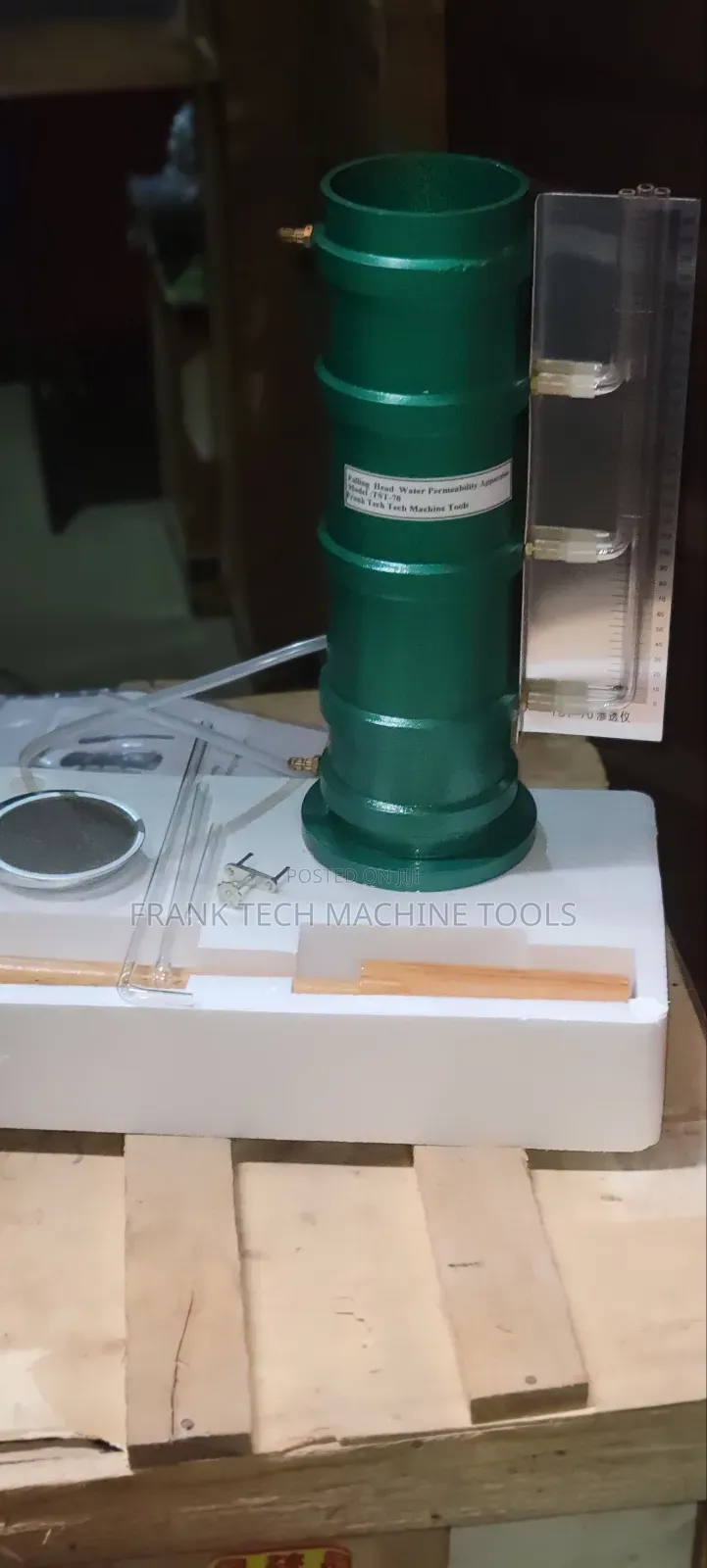
Constant Head Permeability
Kayan Gwaje-gwaje
Nau'i
Other
Kaya
Sabo Fil
Yanayi
Sauran
Kayan Gwaje-gwaje
Adireshin dakin ajiya
4
Jiha Lagos • Ojo
F124Up Alaba International Market Ojo Lagos
Bude yanzu
• Lit - Asa, 08:00-18:00
The constant head permeability test is a laboratory method used to determine the permeability of granular soils, like sands and gravels, by measuring the flow of water through a soil sample under a constant pressure difference (head).
Here's a more detailed explanation:
Purpose:
This test is used to determine the coefficient of permeability (k), which indicates how easily water can flow through a soil.
Method:
A cylindrical soil sample is placed within a permeability cell (also called a permeameter).
Water is passed through the sample from a constant level tank, maintaining a constant hydraulic head (pressure difference) across the sample.
The flow rate of water through the sample is measured.
Applicability:
Best suited for coarse-grained soils (like sands and gravels) with relatively high permeability.
Sirrin bada kariya
- Ka da a biya kudi kafin isowar kaya, ko da kudin sallawu
- A hadu da mai kaya a amintaccen wuri a fili
- A duba kayan, a tabbata shi ne ainihin abin da ake bukata
- A tabbatar cewa abin da aka kunshe shi ne wanda aka duba
- Ka da a biya sai an gamsu