1/3
Wanda aka yada
Lagos, Ojo, awoyi 1 da suka wuce
28 adadin kallo
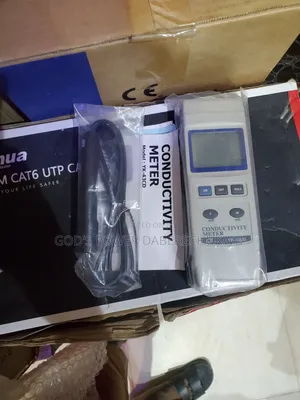
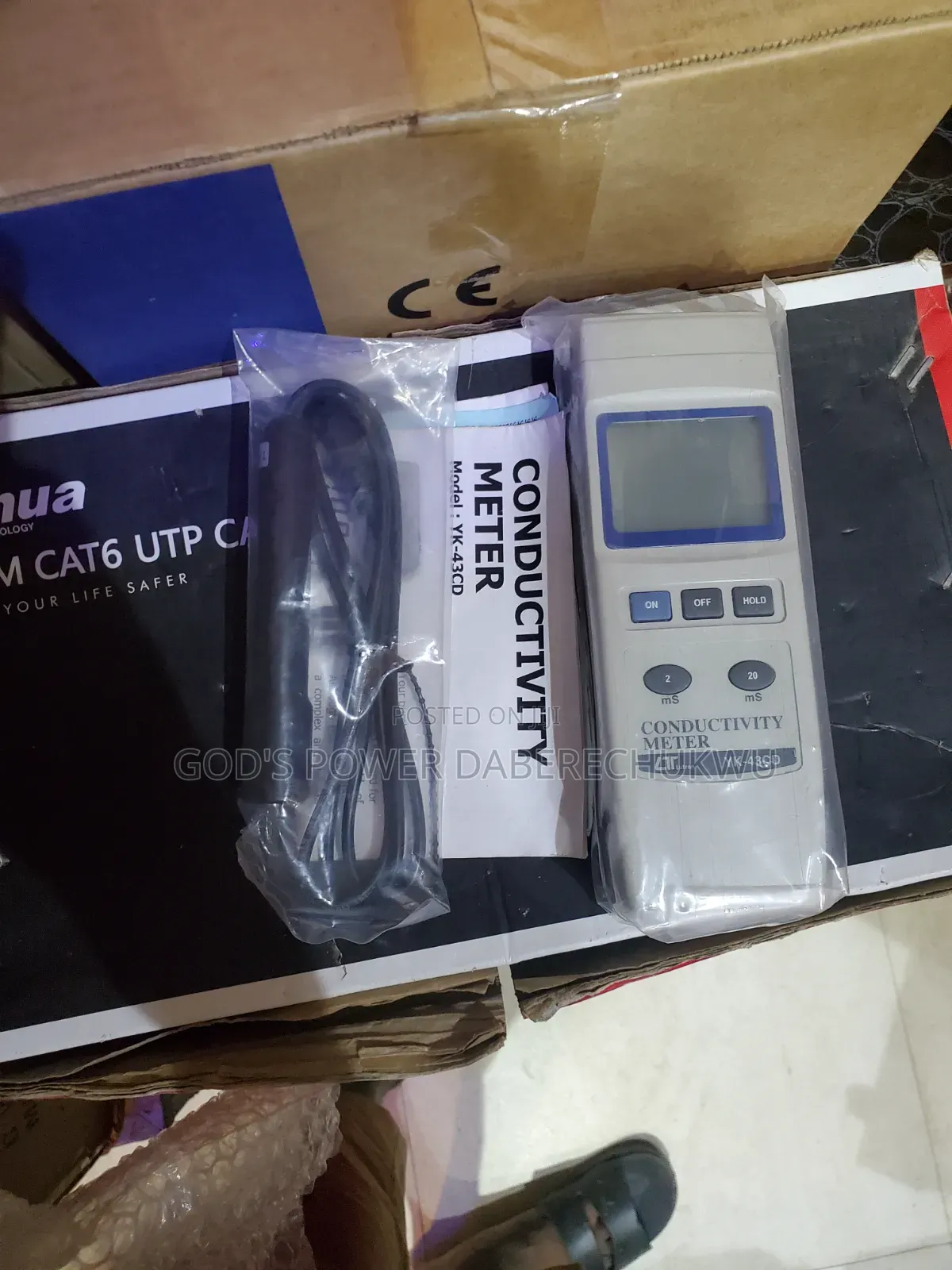
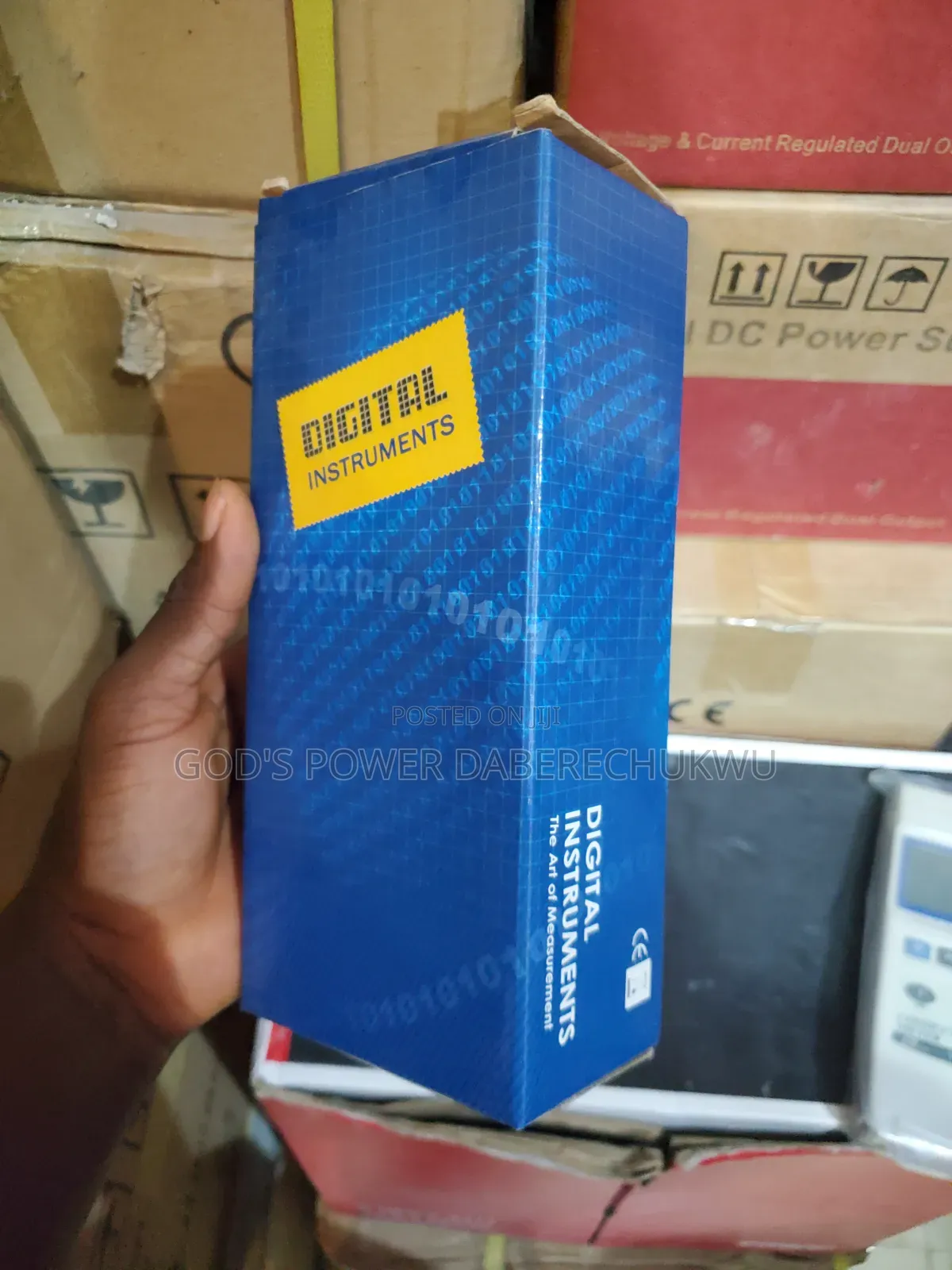
Conductivity Meter
Sabo Fil
Yanayi
General Tools
Kaya
conductivity meter
Nau'i
Aiko kaya
A fadin Kasa
1-2 ranaku
Kyauta
Adireshin shago
Jiha Lagos • Ojo
Alaba international market
Old union Bank by alabarago f423 shop number
A rufe yanzu
• Lit - Asa, 06:30-08:30
Jiha Lagos • Ojo
Alaba information market
Alabarago by old union Bank f423 shop number
A rufe yanzu
• Lit - Asa, 08:30-09:30
A conductivity meter is a scientific device that measures a solution's ability to pass an electrical current.
How It Works
Electrical Current: The meter applies a small alternating voltage between electrodes submerged in a liquid.
Ions Movement: Dissolved salts, acids, and bases create free ions that carry this electrical charge.
Calculation: More ions mean higher current flow and higher conductivity.
Units: Readings are shown in microSiemens per centimeter (μS/cm) or milliSiemens per centimeter (mS/cm).
Key ComponentsProbe or Electrodes: The dipped sensor made of platinum, graphite, or stainless steel.Temperature Sensor: Adjusts values because heat changes ion movement and alters readings.Display Unit: Shows the final digital value and settings.Common UsesWater Quality: Testing purity in drinking water, pools, and laboratories.
₦ 500,000
Za a iya rangwame₦ 480,000
akalla ≥ 2
Sirrin bada kariya
- Ka da a biya kudi kafin isowar kaya, ko da kudin sallawu
- A hadu da mai kaya a amintaccen wuri a fili
- A duba kayan, a tabbata shi ne ainihin abin da ake bukata
- A tabbatar cewa abin da aka kunshe shi ne wanda aka duba
- Ka da a biya sai an gamsu