Wanda aka yada
Lagos, Mushin, 42 min ago
12 adadin kallo
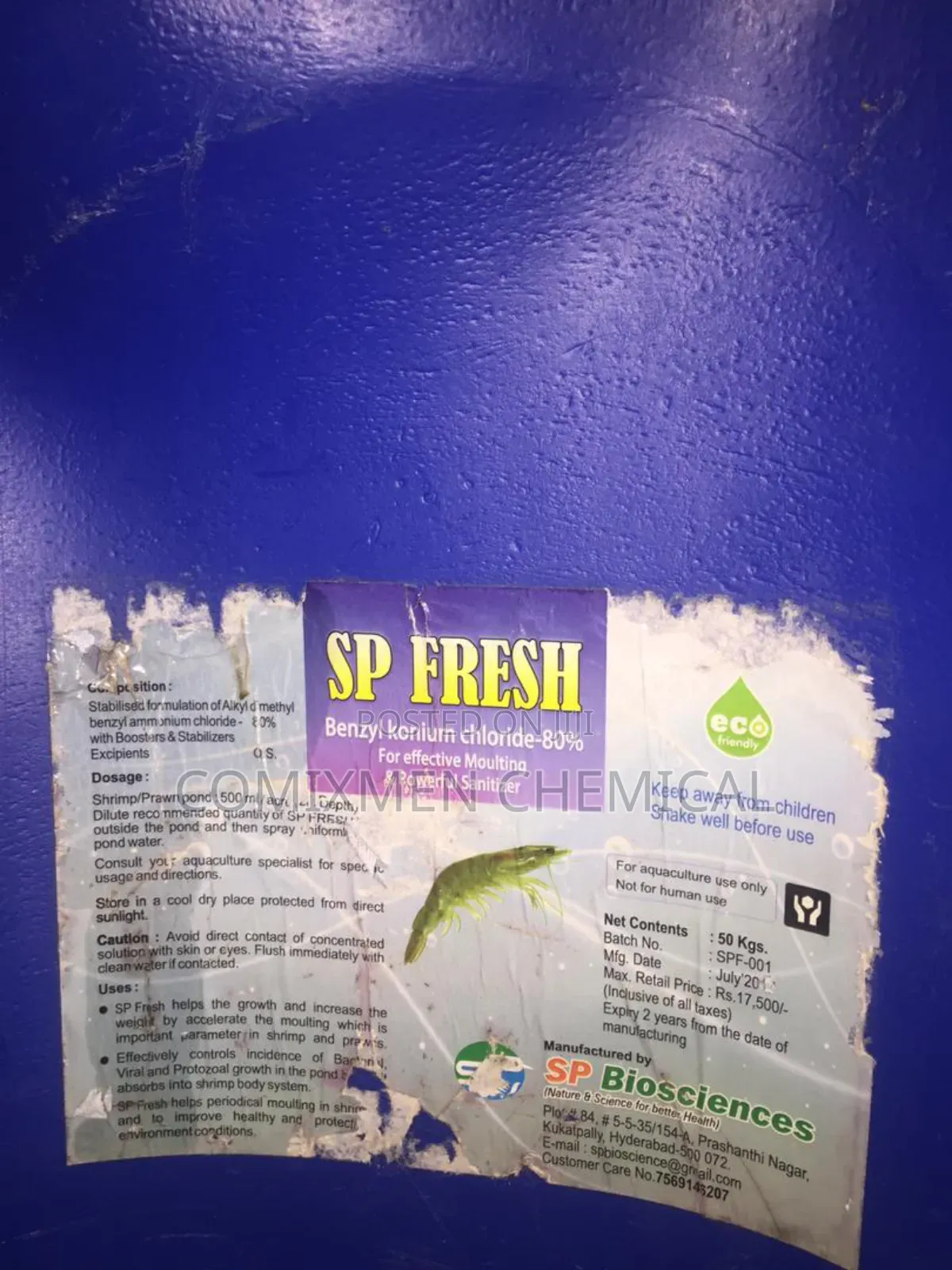
Benzalkonium Chloride
ComixMen chemical industries
Sunan Kamfani
Adireshin dakin ajiya
An tabbatar
Jiha Lagos • Mushin
23 Olakunle Street Mushin, Lagos.
A rufe yanzu
• Lit - Asa, 08:00-18:00
Benzalkonium chloride (BAC) is a quaternary ammonium compound widely used as a disinfectant, antiseptic, and preservative. It acts by disrupting microbial cell membranes, making it effective against bacteria, some fungi, and enveloped viruses, though less effective against non-enveloped viruses and bacterial spores.
Key points:
Uses: Found in surface disinfectants, hand sanitizers, antiseptic wipes, eye drops, nasal sprays, and cosmetics.
Mechanism: Cationic surfactant that binds to negatively charged microbial membranes, leading to leakage and cell death.
Safety: Generally considered safe at low concentrations (0.01–0.1%), but higher concentrations can cause skin, eye, and respiratory irritation.
₦ 430,000per piece

ComixMen Chemical Industries
5+ shekaru a kan Jiji
Wanda aka tantance
Ganin karshe kwana 1 da ya wuce
Sirrin bada kariya
- Duba Martani domin a tabbatar za a iya dogara da mutum
- A amince da yanayin aiki da albashi
- A hadu ido-da-ido a amintaccen wuri